ZeroFlap ALCs with Micro-Emitter Optics
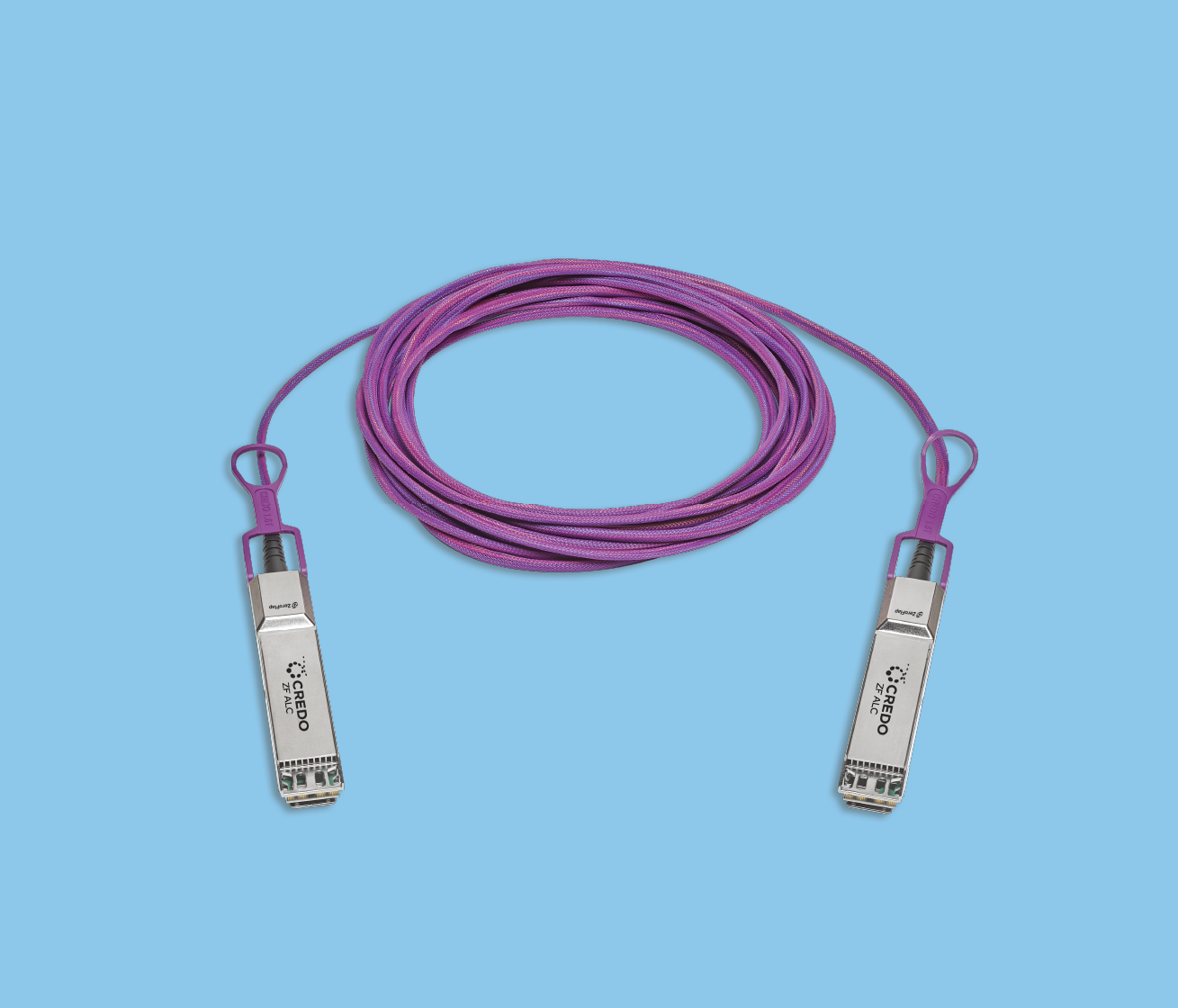
Credo’s active light cable (ALC) is the industry’s first row-scale, wide-parallel optical interconnect solution built for AI scale-out and front-end networks. It is built on a dense array of micro-emitters (microVCSELs or microLEDs) and photodetectors bridged by light and flexible fiber bundles.
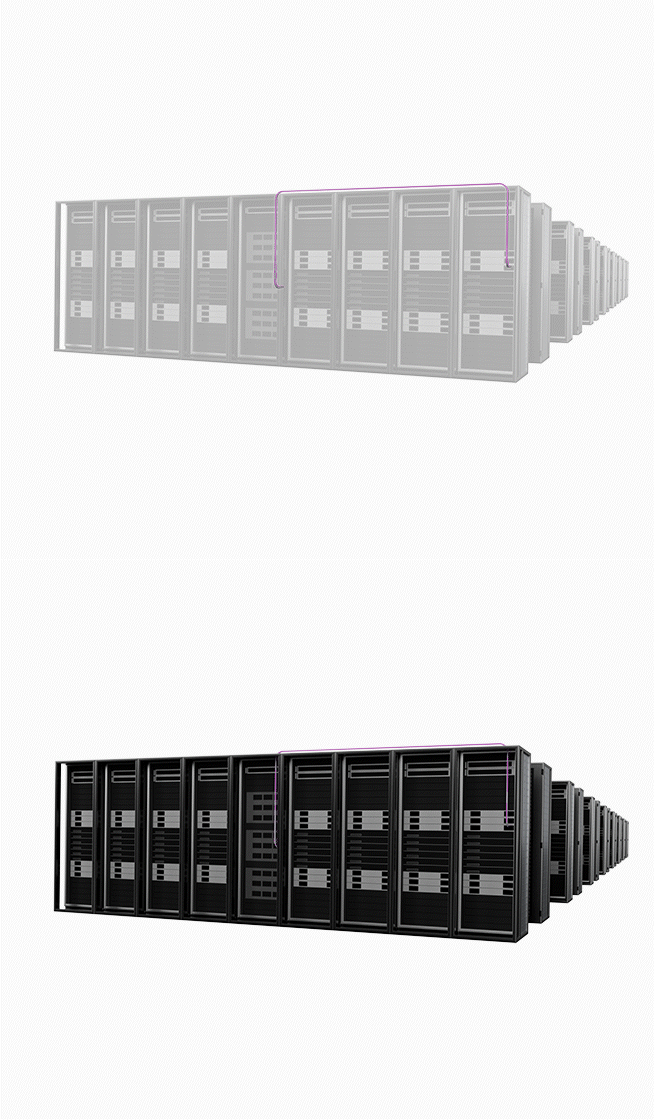
Addressing high-throughput connectivity requirements up to 50m distance in AI data centers, the ALC closes the underserved mid-reach gap, extending the field-proven ZeroFlap reliability of Credo AECs to row scale in a cable that’s 10x lighter, at under 12W per end.
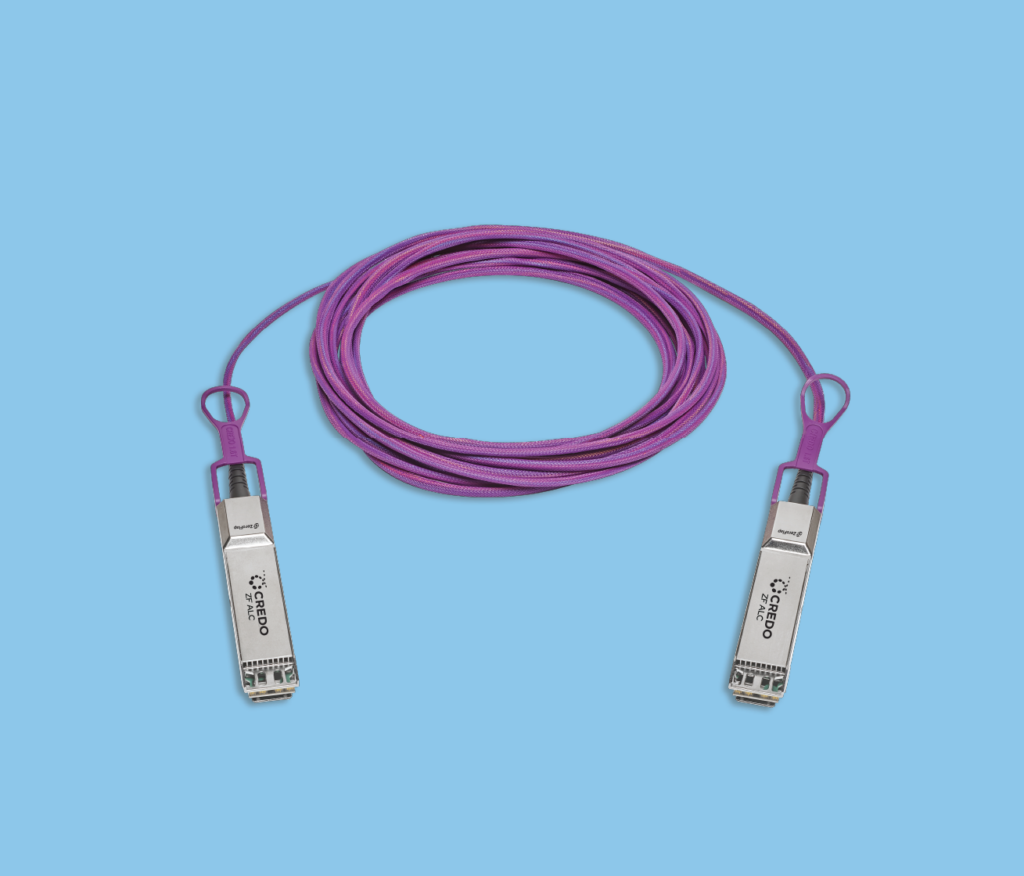


Micro-Emitters Explained: Reliable Mid-Range Optics for AI Data Centers
Credo AVP of Product LK Bhupathi introduces ZeroFlap ALC with micro-emitter optics — a new take on optical interconnects. The wide-parallel approach spreads data across many small, low-power channels, building in redundancy, using far less power, and leaving plenty of headroom to scale for the next decade of AI infrastructure.
Industry’s First Row-Scale, Wide-Parallel Optical Interconnect
ZeroFlap ALCs Deliver Redundancy-enabled, Low-Power Optical Links

Reliability
Building on the ZeroFlap link-monitoring and events-logging features, Credo micro-emitter solutions will deliver hitless failover of optical channels to built-in spares.

Power Efficiency
Credo ZeroFlap ALCs avoid complex DSP for signal recovery and use the wide-parallel approach to optical connectivity with simple NRZ modulation, resulting in low power.

Bandwidth Density
By increasing emitter data rates and leveraging dense two-dimensional array formats, future iterations of Credo ZeroFlap ALCs scale seamlessly to support higher throughputs.
Built to Scale
Credo’s ZeroFlap ALCs extend reach up to 50 meters with dramatically reduced bulk—without sacrificing copper-class reliability. Powered by micro-emitter technology, Credo’s roadmap will support near-package and co-packaged connectivity solutions delivering ultra-dense bandwidth, exceptional power efficiency, and resilient future-ready connectivity.
Zero Interruptions.
ZeroFlap performance is reinforced by monitoring optical channels and seamlessly transitioning any weakening channels to a spare while ensuring zero data loss.
50m Reach with 75% Less Bulk.
ZeroFlap ALCs can achieve up to 50m reach with 75% less cable bulk while offering AEC-level reliability.
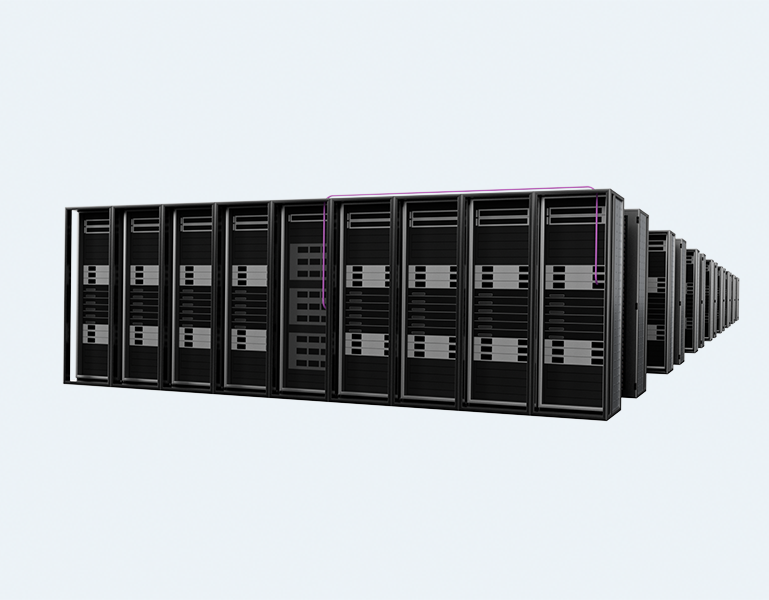
Integrated Connectivity That Scales.
Micro-emitter technology can deliver near-package and co-packaged connectivity at high-bandwidth density and power efficiency.
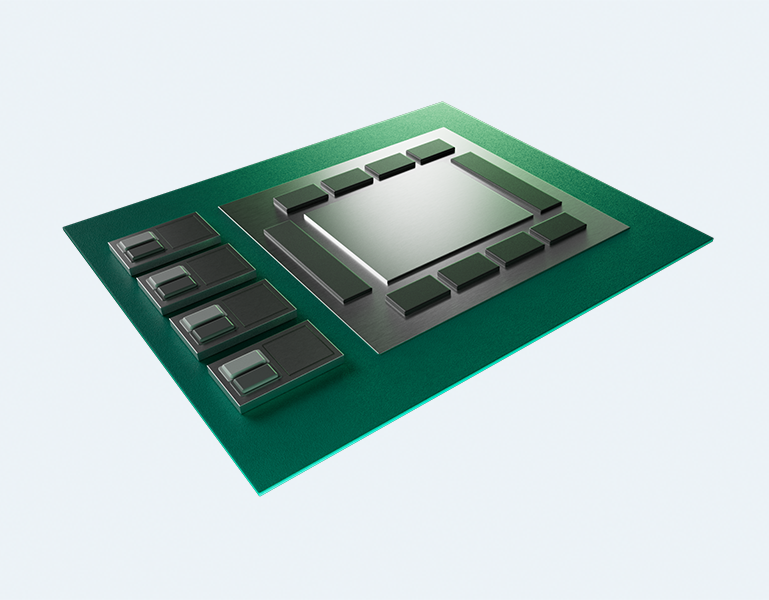
Active Light Cables (ALCs): Extending Copper-Class Reliability to 50 Meters
Combining Credo’s connectivity solution expertise with the new micro-emitter technology delivers copper-class reliability in a 10x lighter optical cable, reaching up to 50m – making them ideal for row-scale AI connectivity where traditional pluggable optics add cost, power, and reliability risk.
Micro-Emitters Built for the Next Decade of AI Infrastructure
Scale-up and scale-out networks are getting faster and denser while demanding greater reliability and power efficiency. Scale-in interconnects are emerging as a new category of ultra-high throughput, chip-to-chip connections.
Scale-out networks
Scale-out networks connect dense GPU clusters and enable pipeline parallelism. Credo’s ALCs extend reach while reducing bulk and power without sacrificing reliability.
Scale-up networks
Scale-up networks are ~10x denser than scale-out and currently rely on passive copper within the rack. As they extend to row scale (10-30m), they will require ultra-reliable and low-power interconnects, making micro-emitter-based solutions ideal candidates.
Scale-in interconnects
Scale-in interconnects require ultra-high throughput and are ~10x denser than scale-up. These chip-to-chip interconnects between GPUs or GPUs and memory may need only up to 1m reach. Micro-emitter-based interconnects can scale down in size and deliver the densities needed for this emerging application.

Related resources


Reach out today to connect with Credo
Send us your inquiry and we will get back to you.
We have solutions