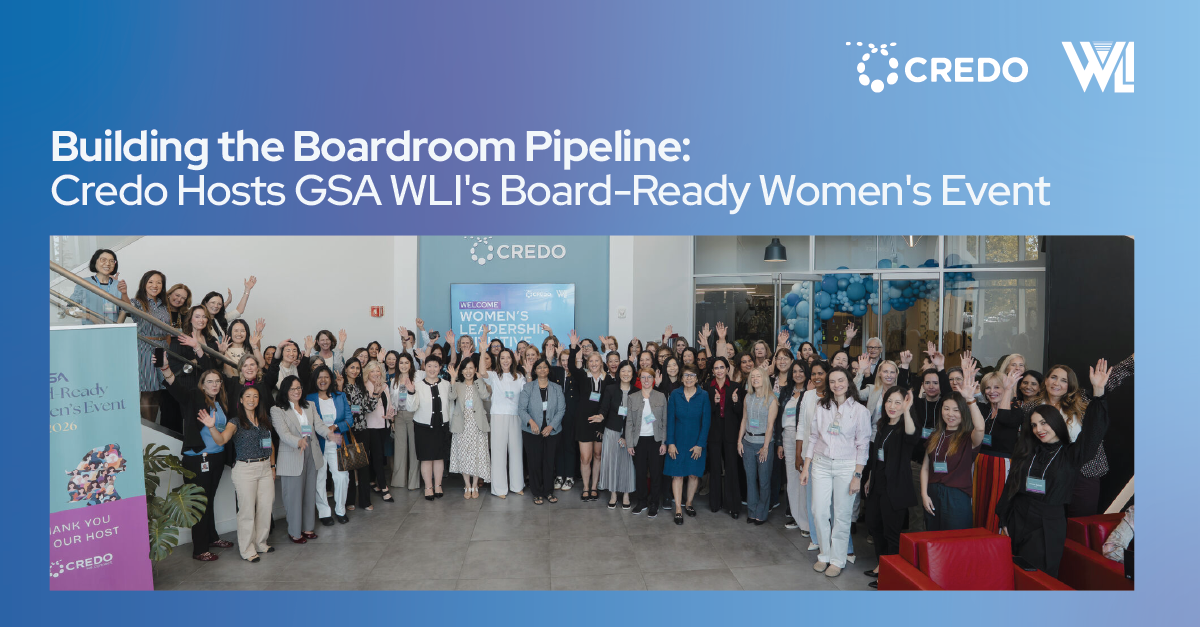
On August 25th, Credo’s San Jose office hosted the Global Semiconductor Alliance (GSA) Women’s Leadership Initiative (WLI) for its Board-Ready Women’s Event, a full day built around one specific career milestone: landing a seat on a public company board. The room was filled with women executives from across the semiconductor and broader technology industries — accomplished leaders who are strategizing how, and when, to make the leap from running a business to helping govern one.
“WLI wants to serve women in all phases of their career in the industry,” said GSA Founder and CEO Jodi Shelton, who launched the WLI in 2018. “There is a real emphasis on making sure that we have diverse boards so companies can get the most out of their boards. This seemed like an obvious place for us to come in. The women here have accomplished so much in their careers. For many of them, [joining a board] is an obvious progression, and we want to help them get there.”
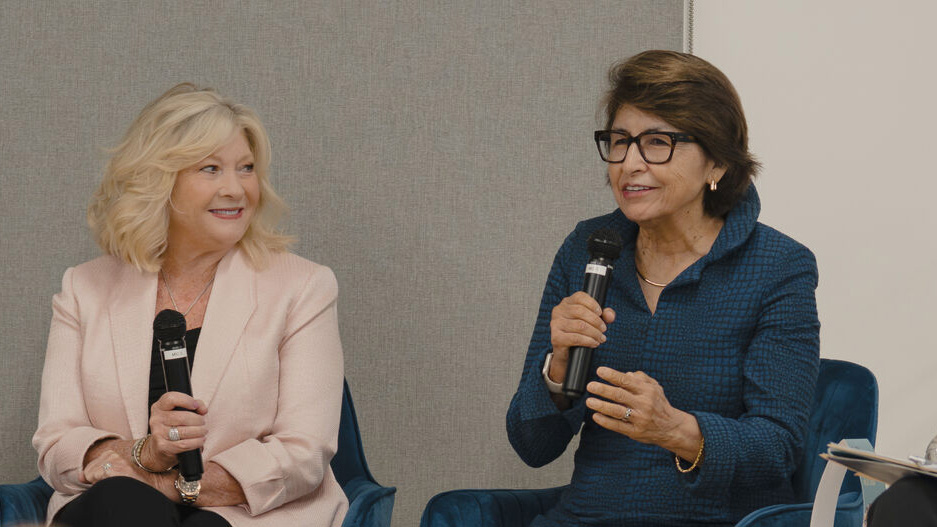
The event, sponsored by Bain & Company, Credo, and Egon Zehnder, brought together rising leaders with some of the most accomplished female directors in tech to demystify what it actually takes to move from the C-suite to the boardroom. And Credo wasn’t just the host, but a full participant in the conversation, with its very own Lead Independent Director and Governance Chair, Sylvia Acevedo, joining the day’s marquee panel—”Pathways to the Boardroom.”
A rocket scientist turned Silicon Valley business leader turned Girl Scouts CEO, Acevedo has also been a board member at Qualcomm since 2020. She said after the panel: “Today’s event is so important because it exposes the rising generation of tomorrow’s semiconductor leaders to the skills, the expertise, the capabilities, and the network they need to be on a board. It’s great to make sure that they’re meeting people here.”
That’s the kind of access Credo wants to help nurture — not just for our own leadership pipeline, but for the industry as a whole.
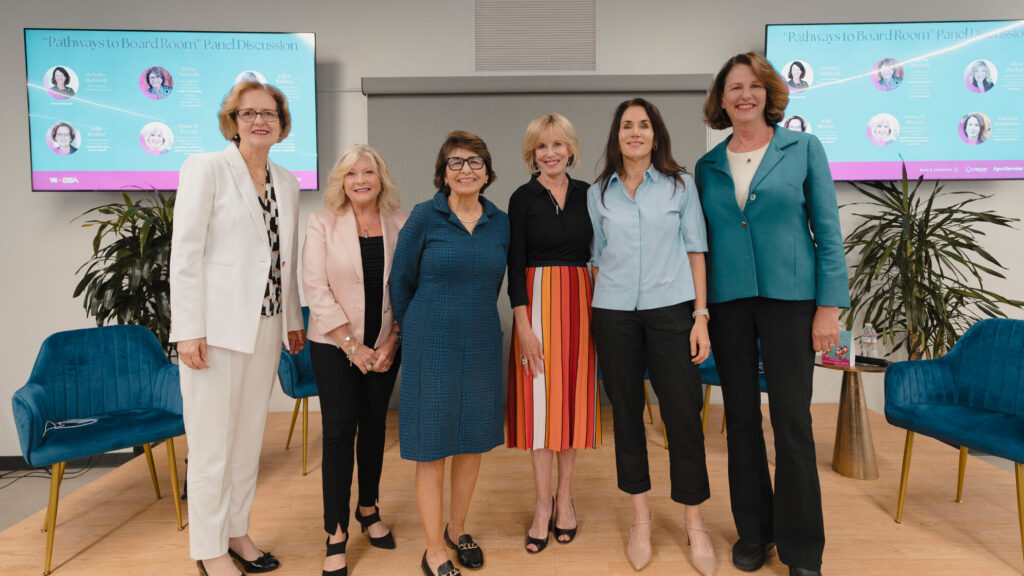
Lessons from the Panel
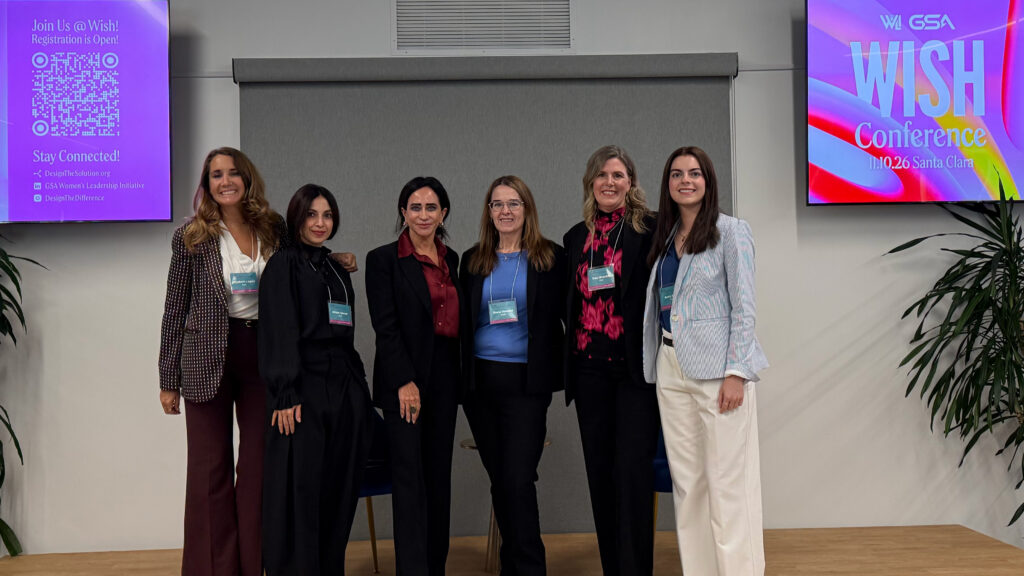
Moderated by semiconductor advisor Deirdre Hanford, the panel featured Sylvia Acevedo alongside fellow directors Ellen Barker, Judy Bruner, Diane Bryant, and Patricia Kummrow. Together, they offered a candid, practical playbook for anyone eyeing a board seat:
Become an “outdoor cat.” Board seats rarely come from a cold application; they come through networks. The panelists encouraged candidates to actively move out of a purely operational mindset and focus on visibility and connection. Judy Bruner is a board member and the Chair of the Audit Committee at both Applied Materials and Qorvo, as well as an Audit Committee member at Rapid7, and has served on the boards of five other public companies. She emphasized that a candidate’s connections with CEOs and board members, as well as her reputation at her executive role, are the most important factors in netting her first opportunity at a board role. “Your technical expertise can be your core, but companies are looking for board members who can mentor their CEOs. So, navigate your career so you can get those operational experiences.”
Learn the culture — every board is different. No two boardrooms operate the same way, and reading the room is a skill in itself. Some boards run collegial and consensus-driven; others thrive on vigorous debate. New directors were encouraged to watch and listen before speaking up, and to learn when a conversation belongs in the full room versus a private sidebar. Patricia Kummrow is the chair of the nominating and governance committee at Synaptics and chair of the compensation committee at Napatech. She gave a simple suggestion on how to fit in quickly. “Ask the CEO. Every company looks for different things from the board. Sometimes the best way to know what the CEO needs from you is to ask them.”
Translate technical depth into business strategy. Deep expertise gets you in the room, but boards are ultimately looking for pattern recognition across the full range of issues a C-suite faces — strategy, risk, and how the two connect. Ellen Barker was the relative newcomer on the panel, having joined the board of Microchip in 2024 after a 26-year career at Texas Instrument. She reminded the participants that they all have unique skills to offer. “It was hard for me to go from TI to a competitor, but I felt that there’s plenty of room [in the industry] for great companies. If I can make an impact at more than one in my lifetime, that’s where I have to go.”
Know that the responsibility is real. Board service isn’t ceremonial. Directors certify financials, approve strategy, and make crucial decisions. When a crisis hits, whether a cybersecurity breach or even an unplanned CEO departure, boards are expected to act fast and decisively. Diane Bryant, former CEO of NovaSignal, currently serves on the boards of ScaleFlux, mmTron Inc., Haemonetics, Broadcom and UC Davis. She suggested new directors to start with the core duties of the board. “You walk in the door, and your mind starts with the charter of the board. It’s just two things: loyalty to the shareholders and care of the company. Figuring out the culture is to keep in your head what your responsibility is.”
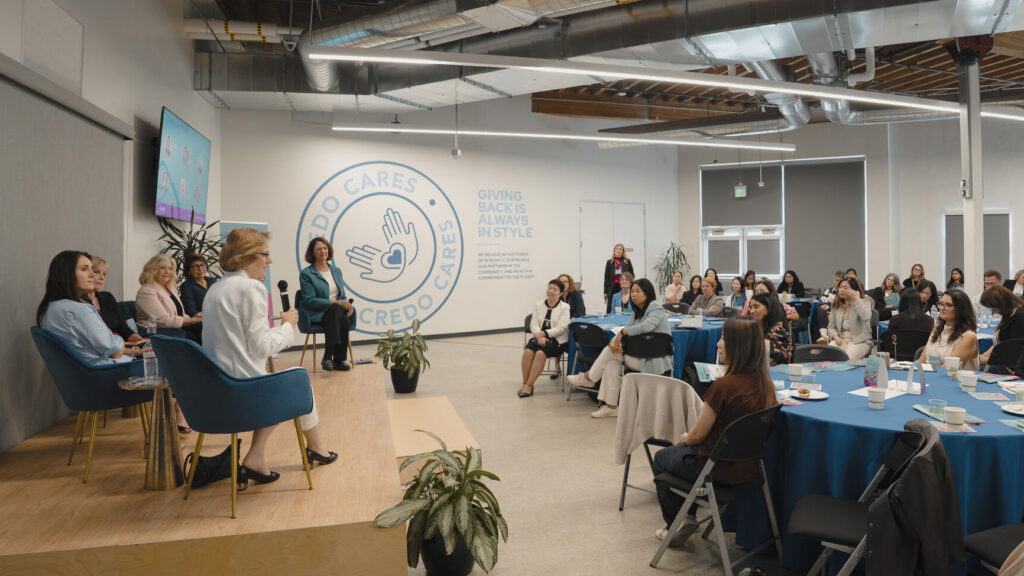
An Ecosystem Worth Investing In
The day’s agenda went well beyond the panel. A presentation by Egon Zehnder covered the requirements and the trends of board member recruitments. Bain & Company offered insights on the growing governance implications of AI. Before a lively networking session concluded the event, veteran board members Claudia Fan Munce and Laurie Yoler had a fireside conversation on their own boardroom journeys.
For Credo, hosting this event was a natural extension of something we care a lot about across the company — creating an environment where women can thrive, realize their full potential, and make impactful connections. We were proud to open our doors to this community, and we’re already looking forward to continuing the conversation.