As AI infrastructure scales, PCIe connectivity is no longer confined to a single motherboard. Modern AI clusters now span multiple GPUs, NICs, storage devices, and accelerators across racks, pushing high-speed electrical links far beyond traditional board-level boundaries.
At PCIe Gen6 speeds and beyond, maintaining signal integrity across these extended paths becomes increasingly challenging. A single link may traverse motherboard traces, connectors, cable assemblies, and multiple transitions. Each transition introduces insertion loss, reflections, and crosstalk. As data rates double and Nyquist frequencies increase, even small variations in channel characteristics can destabilize links.
This is where PCIe Active Electrical Cables (AECs) play a critical role.
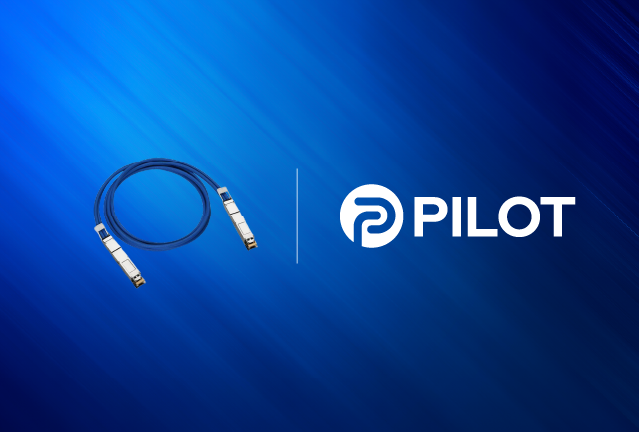
AECs extend PCIe connectivity beyond the motherboard by integrating signal conditioning directly into the cable assembly. By moving high-speed signals out of long PCB traces and into a cable medium, AECs help reduce insertion loss, minimize crosstalk, and simplify signal integrity challenges in dense system designs.
In many modern server architectures, system designers increasingly try to transition off the motherboard as early as possible—escaping dense CPU and accelerator regions and routing signals through cables where channel behavior can be more predictable. AECs enable this shift while maintaining the bandwidth and latency requirements needed for AI workloads.
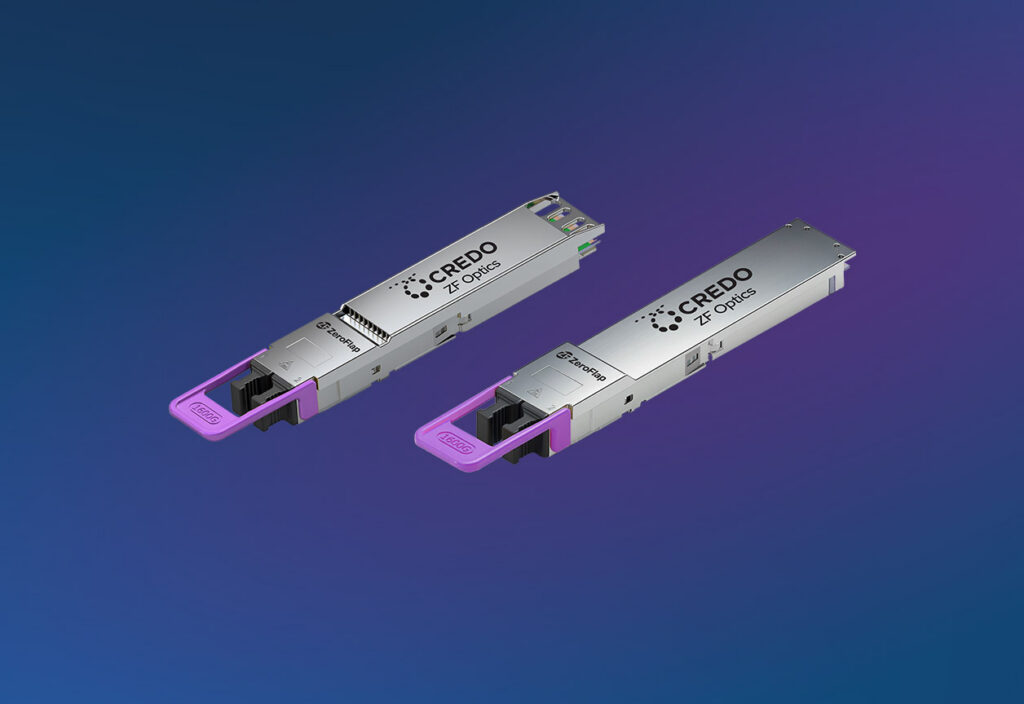
Credo’s PCIe AEC solutions support cable lengths up to 7 meters, enabling system architects to extend PCIe connectivity beyond a single chassis and across rack-scale deployments while maintaining signal integrity at PCIe Gen6 speeds.
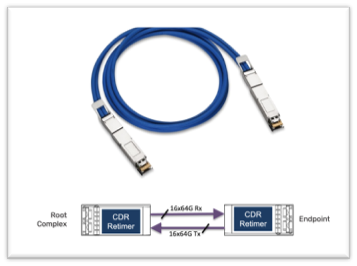
However, extending reach alone is not sufficient. At these speeds, long electrical paths often require multiple retimers placed throughout the system to regenerate and stabilize the signal. Retimers break large channels into smaller segments, recovering the clock and retransmitting a clean waveform. This improves link margin, reduces equalization stress on endpoints, and increases tolerance to connector and cable variability.
Yet even with signal conditioning and retiming, link behavior can still vary due to temperature changes, cable characteristics, and system workload dynamics. Diagnosing instability without visibility into the link becomes extremely difficult.
This is where observability becomes essential. PILOT, Credo’s telemetry and diagnostics software suite, provides system-level telemetry across the PCIe electrical fabric, exposing key link metrics. With critical insights, system architects can monitor link health in real time, detect early signs of degradation, and better understand how cables, connectors, and board channels interact in large-scale deployments. In many cases, this allows operators to identify potential issues before they result in link failures or downtime.
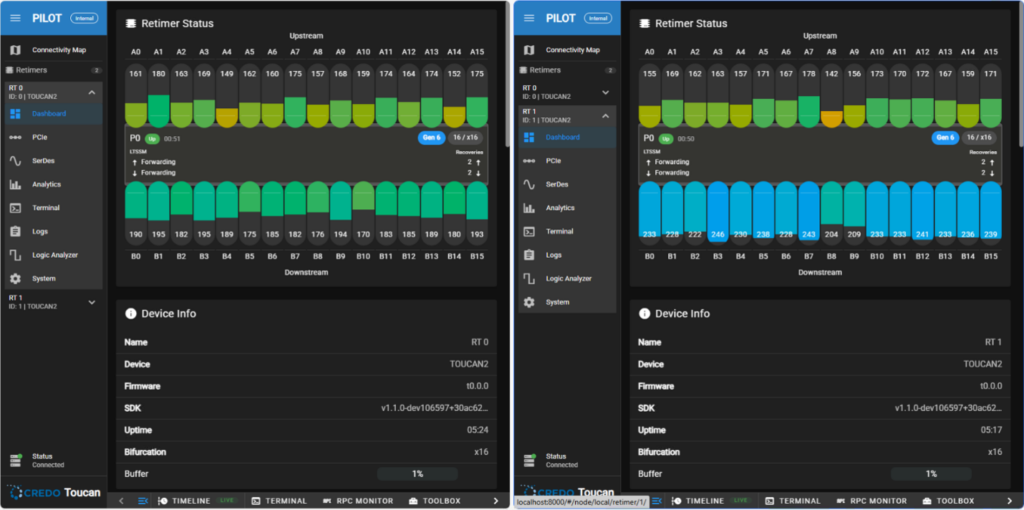
As AI infrastructure grows in scale, predictable connectivity becomes just as important as raw bandwidth. AECs extend reach beyond the board, retimers stabilize the channel along the way, and PILOT makes the entire electrical fabric observable. Working together, these technologies deliver reliable, high-bandwidth PCIe connectivity from board to rack, forming a critical foundation for next-generation AI platforms.
Ready to scale PCIe Gen6 beyond the board?
Whether you’re architecting your first rack-scale AI deployment or troubleshooting link instability in an existing fabric, Credo’s PCIe AEC solutions and PILOT telemetry suite can help you build connectivity that’s fast, stable, and observable. Talk to our connectivity experts to evaluate your PCIe deployment, or explore Credo’s PCIe AEC portfolio to see how far your links can go.